
Water Damage
What to Do in the First 24 Hours After Water Damage

Flood Doctor Team
Owner / Lead Technician
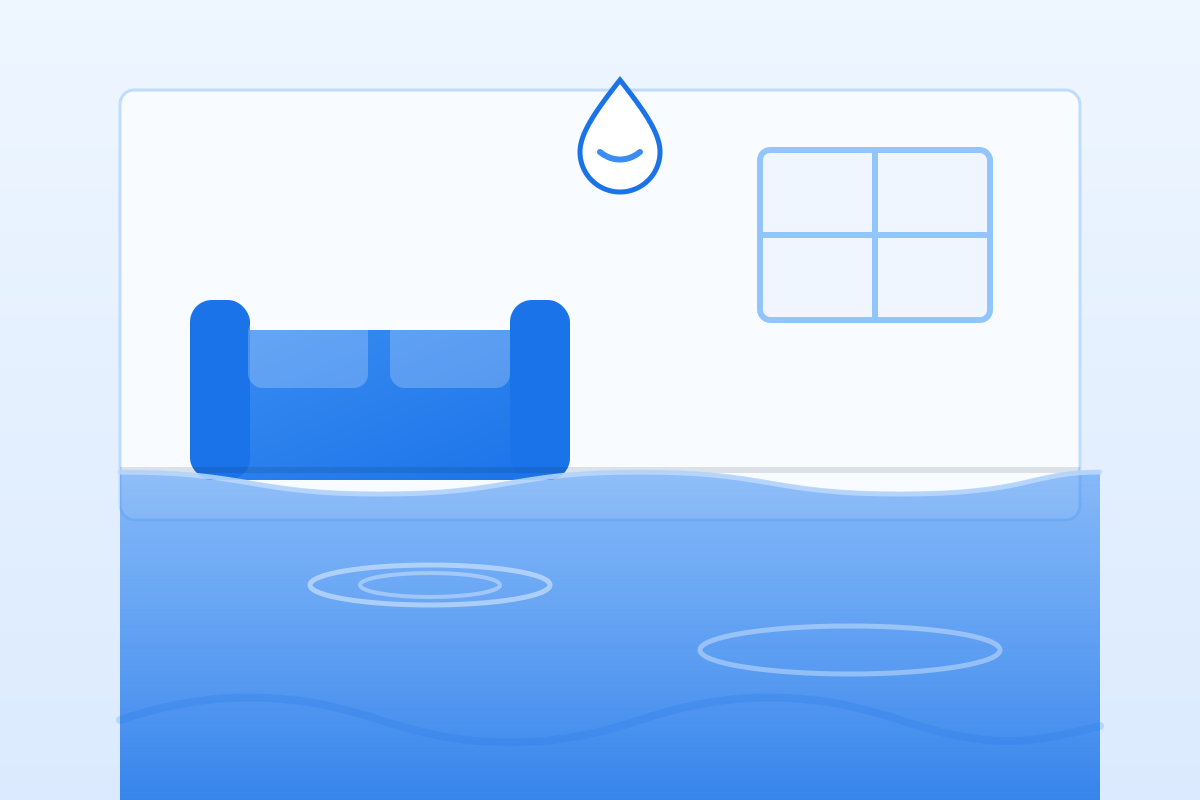
Act Fast: The First 24 Hours Are Critical
When water damage strikes your home, every minute counts. The first 24 hours are the most critical period for minimizing damage and preventing secondary issues like mold growth. Whether you're dealing with a burst pipe, flooding, or appliance leak, knowing what to do immediately can save you thousands of dollars in restoration costs.
Step 1: Ensure Safety First
Before entering any water-damaged area, make sure it's safe. Turn off electricity to affected areas if you can safely reach the breaker panel. Watch for structural damage, and never walk through standing water that could be electrically charged.
Step 2: Stop the Water Source
If the water damage is from a burst pipe or appliance, shut off the water supply immediately. For a burst pipe, locate your main water shut-off valve. For appliance leaks, disconnect the specific appliance from its water supply line.
Step 3: Document Everything
Before you start cleaning up, take photos and videos of all damage. This documentation is essential for your insurance claim. Photograph damaged walls, floors, furniture, and personal belongings from multiple angles.
The difference between a $5,000 restoration and a $50,000 restoration often comes down to how quickly homeowners respond in the first 24 hours.
Step 4: Begin Water Extraction
Remove standing water as quickly as possible using mops, towels, wet/dry vacuums, or pumps. The longer water sits, the more damage it causes to flooring, drywall, and structural components.
Step 5: Call a Professional Restoration Company
While DIY efforts help, professional water damage restoration companies have industrial-grade equipment including commercial dehumidifiers, air movers, and moisture detection tools that ensure thorough drying and prevent hidden moisture pockets that lead to mold.
- Industrial water extractors remove water 10x faster than consumer equipment
- Thermal imaging cameras detect hidden moisture behind walls
- Commercial dehumidifiers prevent secondary damage and mold growth
- Antimicrobial treatments stop bacteria and mold before they start
What NOT to Do
Avoid using regular household fans alone — they don't remove moisture from the air. Don't attempt to use a regular vacuum on standing water. Never ignore water damage hoping it will dry on its own — hidden moisture leads to mold growth within 24-48 hours.
Need Emergency Water Damage Help?
Our team is available 24/7 for urgent water damage calls. Call now for immediate assistance.
Request Emergency Service Call (877) 497-0007Related Articles
More from our blog
Mold
Signs of Hidden Mold in Your Home and What to Do About It
Mold doesn't always grow where you can see it. Discover the warning signs of hidden mold behind walls, under floors, and in HVAC systems, plus professional remediation options.
Flood Doctor Team
Mold Remediation Specialist

Insurance
How to File a Water Damage Insurance Claim Successfully
Navigating insurance claims after water damage can be overwhelming. This step-by-step guide walks you through documentation, filing, and maximizing your claim settlement.
Flood Doctor Team
Owner / Lead Technician
Prevention
10 Ways to Prevent Water Damage in Your Home This Winter
Winter brings unique water damage risks including frozen pipes, ice dams, and heavy snow loads. Here are 10 proven prevention strategies to protect your home during the cold months.
Flood Doctor Team
Senior Restoration Tech